35mm vs 120 — what the format actually changes
FormatsNegative area, not sharpness, is the difference that matters.
The number that matters
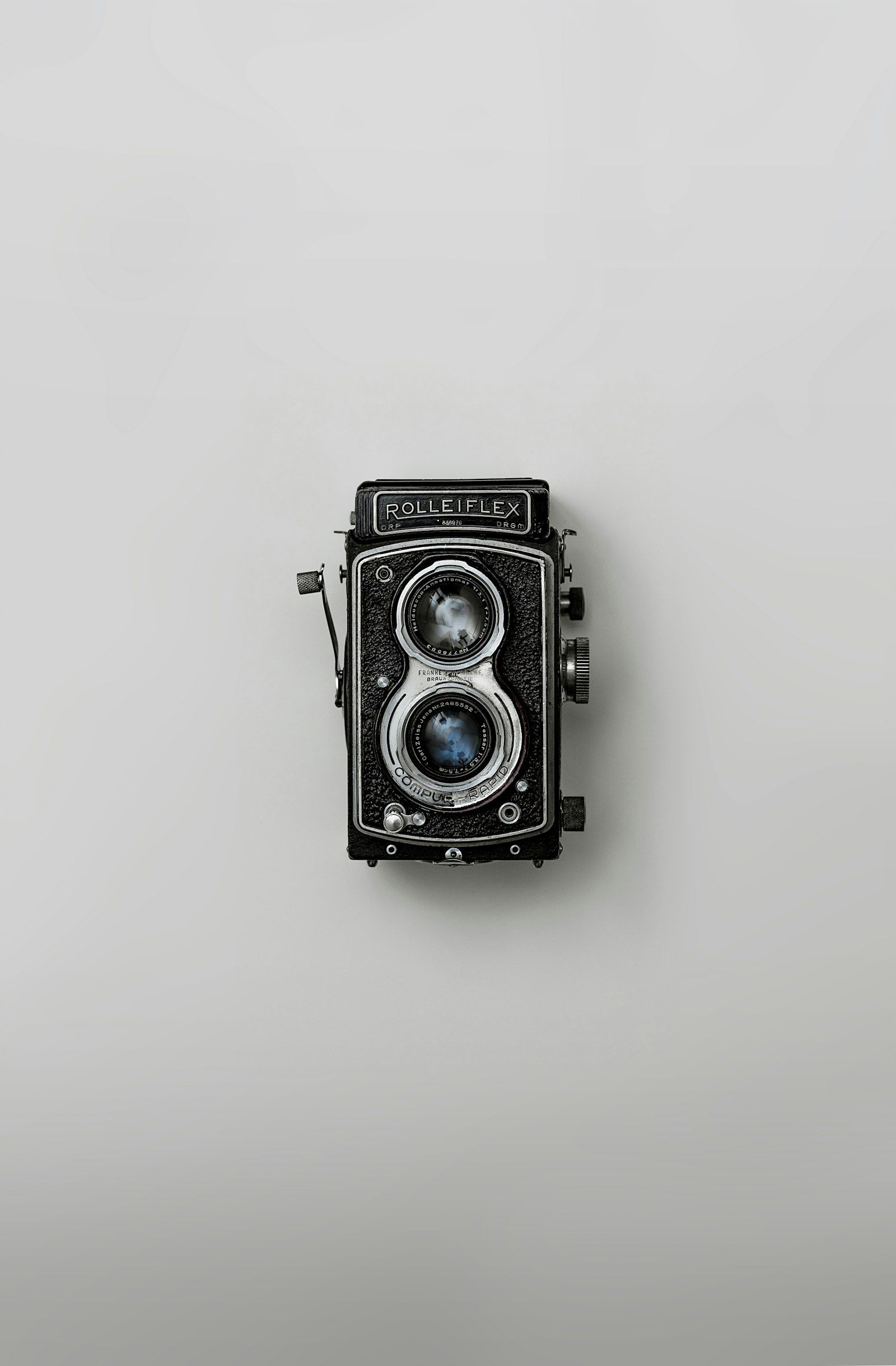
A 35mm frame is 36×24mm. A 6×6 frame on 120 film is roughly 56×56mm. That is about 3.6× the area, and area is what carries detail and tonality — not any inherent quality of the film.
| Format | Frame size | Approx. area | Frames per roll |
|---|---|---|---|
| 35mm | 36×24 mm | 864 mm² | 36 |
| 645 | 56×42 mm | 2352 mm² | 15–16 |
| 6×6 | 56×56 mm | 3136 mm² | 12 |
| 6×7 | 56×70 mm | 3920 mm² | 10 |
What you gain
More area means you enlarge less for the same print, so grain stays finer and tonal transitions stay smoother. It also means shallower depth of field at the same framing and aperture, because you use a longer lens to cover the same angle of view.
What you give up
Ten frames instead of thirty-six, at a higher cost per frame, in a heavier camera. Medium format slows you down — which some people count as the point.
Choosing
If you shoot in volume or need to react quickly, 35mm. If you are making prints larger than about A3 and can work deliberately, 120 earns its inconvenience.